Bilbao, Spain
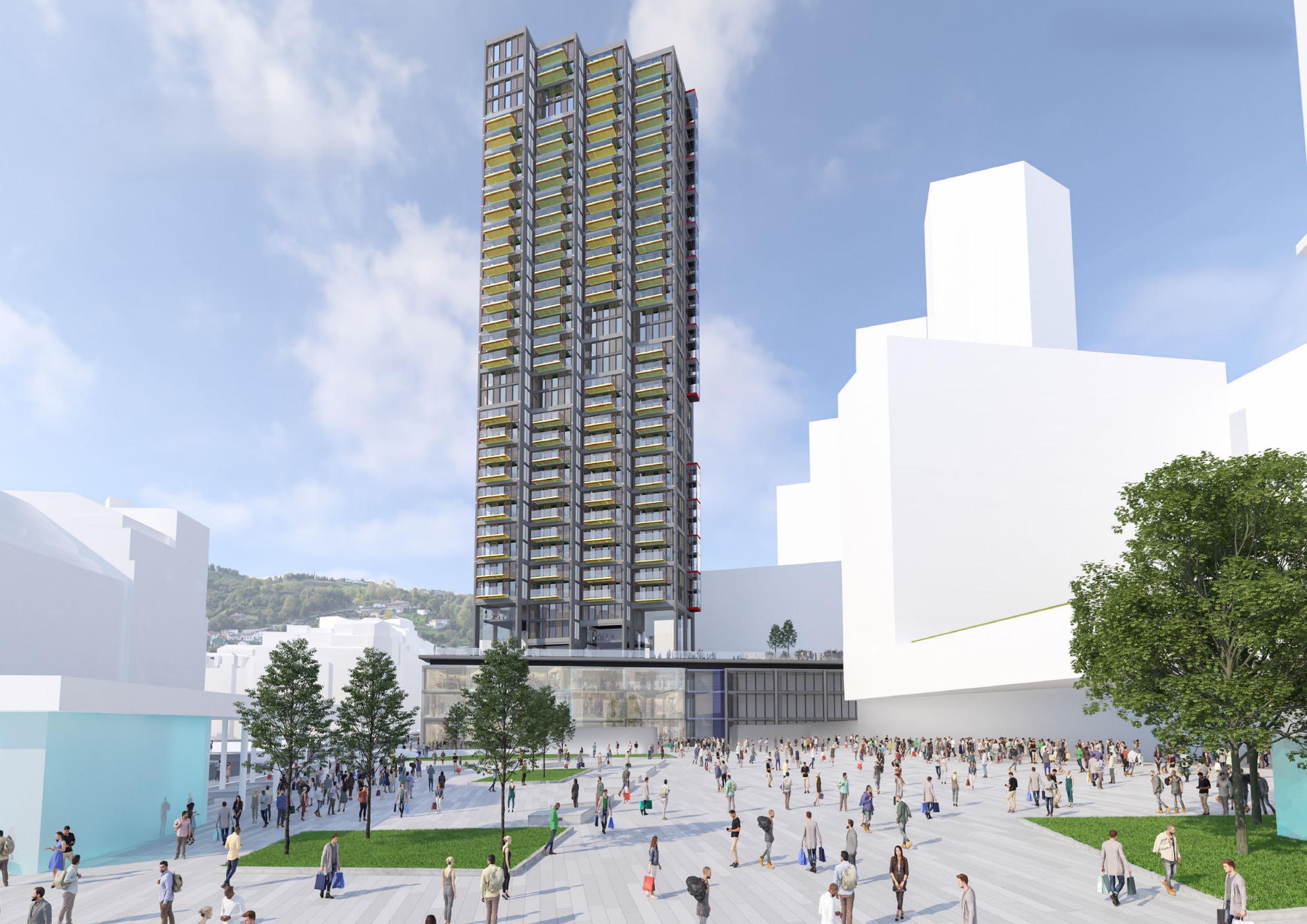
Torre Anboto Dorrea
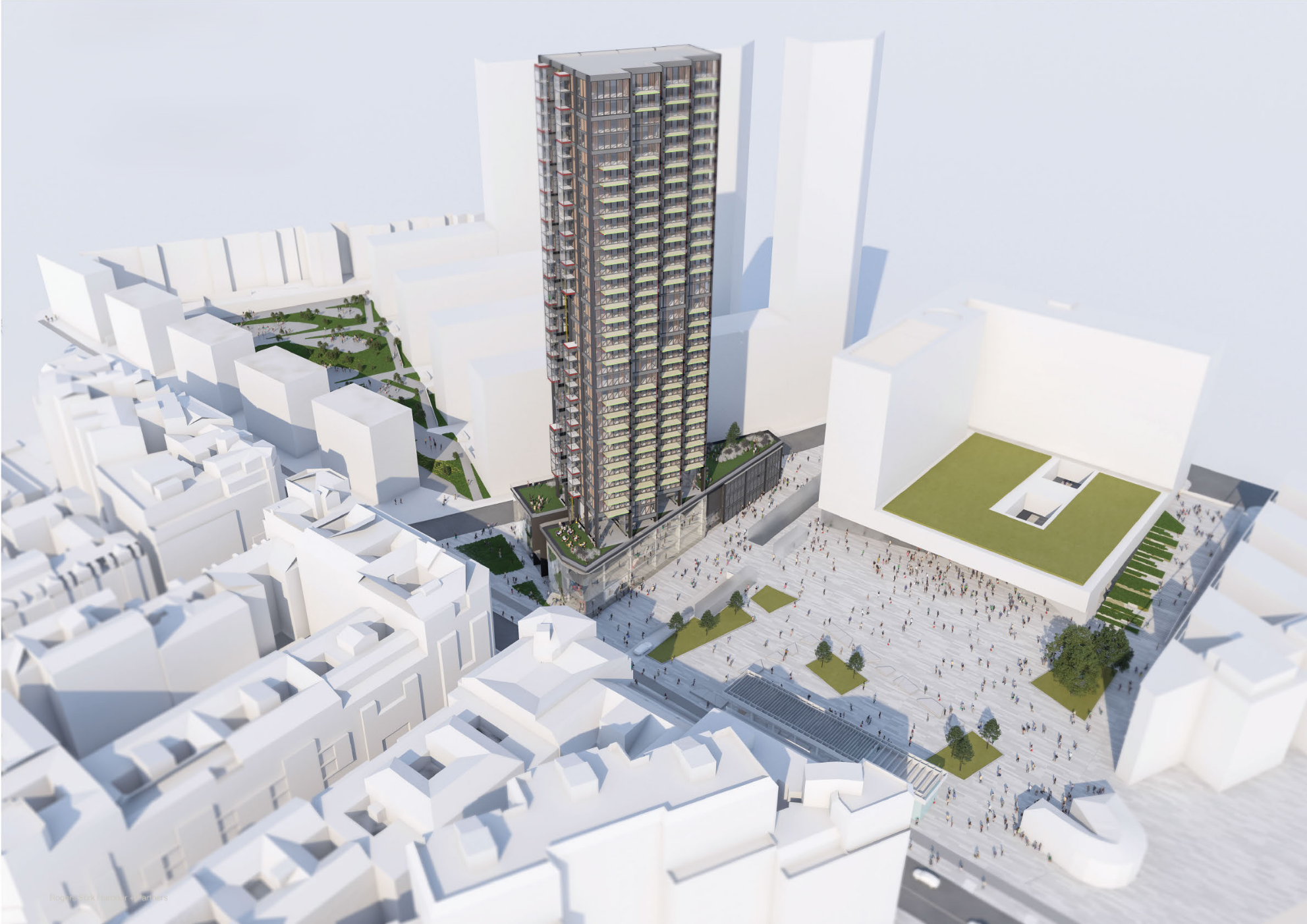
Torre Anboto Dorrea is a 36-storey and 119-meter-tall residential tower located in the Garellano complex in the centre of Bilbao, Spain. The area of Garellano, the site for this 36-storey residential tower, was previously occupied by barracks and represented the last major site available for regeneration within Central Bilbao. Given this importance, Bilbao Ría 2000 organised an international masterplan competition for the 53-hectare site in 2008. In 2009, RSHP was announced the competition winner and, following the approval of the masterplan; In 2017, with the construction of the new bus station underway, Bilbao Ría 2000 commissioned RSHP to prepare a feasibility study for the final of the five towers developed within the masterplan. Evolve provided structural engineering services in collaboration with BAC engineering.

Client: Grupo Arrasate Taldea
Location: Bilbao, Spain
Sector: Residential, Mixed-use
Architect: Rogers Stirk Harbour + Partners & Luis Vidal + Arquitectos
Structural Engineers: BAC & Evolve
MEP Engineer: BAC
Image Credit: Rogers Stirk Harbour + Partners & Luis Vidal + Arquitectos
The Challenge
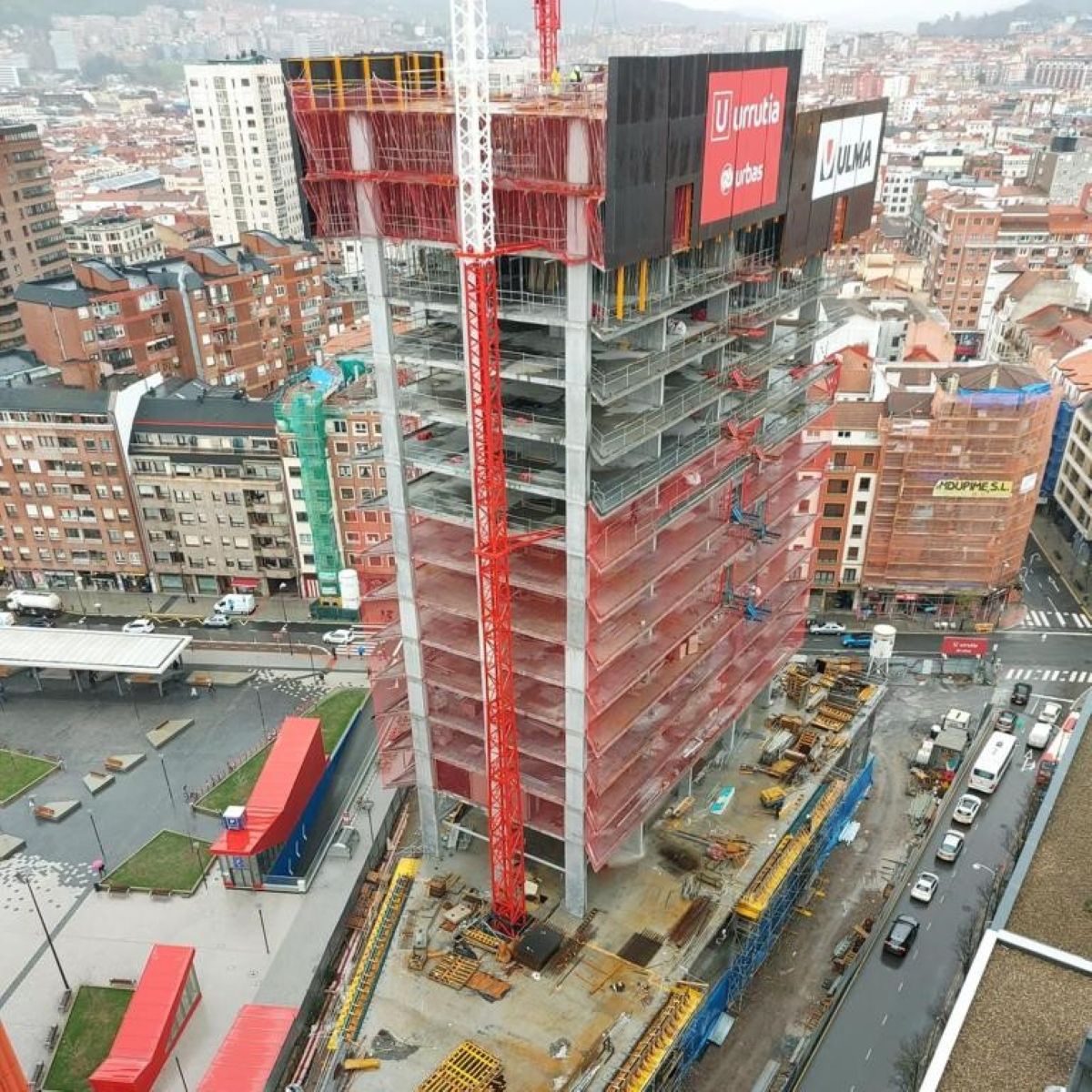
The structural design of Anboto Dorrea presented several challenges related to height, site constraints, and the functional requirements of a residential high-rise. At approximately 119 m tall, the tower is relatively slender for its footprint, meaning wind loading and dynamic behaviour were key design considerations. Residential buildings require stricter limits on lateral acceleration and vibration to maintain occupant comfort, so the structure needed sufficient stiffness to control wind-induced motion while remaining efficient and economical. Another challenge was the mixed-use configuration, where the residential tower sits above a commercial podium with shared facilities. The structural grids for commercial spaces typically require larger spans and fewer columns, whereas residential floors rely on tighter grids aligned with apartment layouts. This mismatch necessitates careful structural transfer of loads between the tower and podium levels. The project also includes five basement levels, requiring deep excavation on a constrained urban site. This introduced geotechnical and construction challenges, including retaining the excavation safely while limiting ground movement that could affect neighbouring structures and infrastructure.
The Solution
To address these challenges, the tower was designed using a reinforced concrete structural system centred around a stiff central core, which provides the primary resistance to lateral loads from wind. The core works together with perimeter columns and walls to form an efficient vertical load-bearing system, while reinforced concrete flat slabs provide economical floor construction and allow flexible apartment layouts. The inherent mass and stiffness of the concrete structure help limit wind-induced accelerations and improve overall dynamic performance.
Computational fluid dynamics (CFD) studies and wind analysis were carried out to understand wind behaviour around the tower and within the surrounding urban environment. These studies informed adjustments to the building form and façade details to reduce adverse wind effects, ensuring acceptable conditions for both residents and pedestrians at ground level. At the interface between the residential tower and the commercial podium, a discrete number of transfer structures were introduced to reconcile the differing column grids. Transfer beams or slabs redistribute loads from the tighter residential grid to the wider commercial spans below.